If you want a Florida home that works hard when you are away and still feels like your own waterfront escape when you are here, a Port Charlotte canal home can be a smart fit. Many buyers are drawn to the area for boating access, mild winter weather, and the flexibility to use a home part of the year while renting it seasonally the rest of the time. If that sounds like your goal, this guide will help you think through the opportunity, the rules, and the practical setup that matter most. Let’s dive in.
Why Port Charlotte Fits Seasonal Rentals
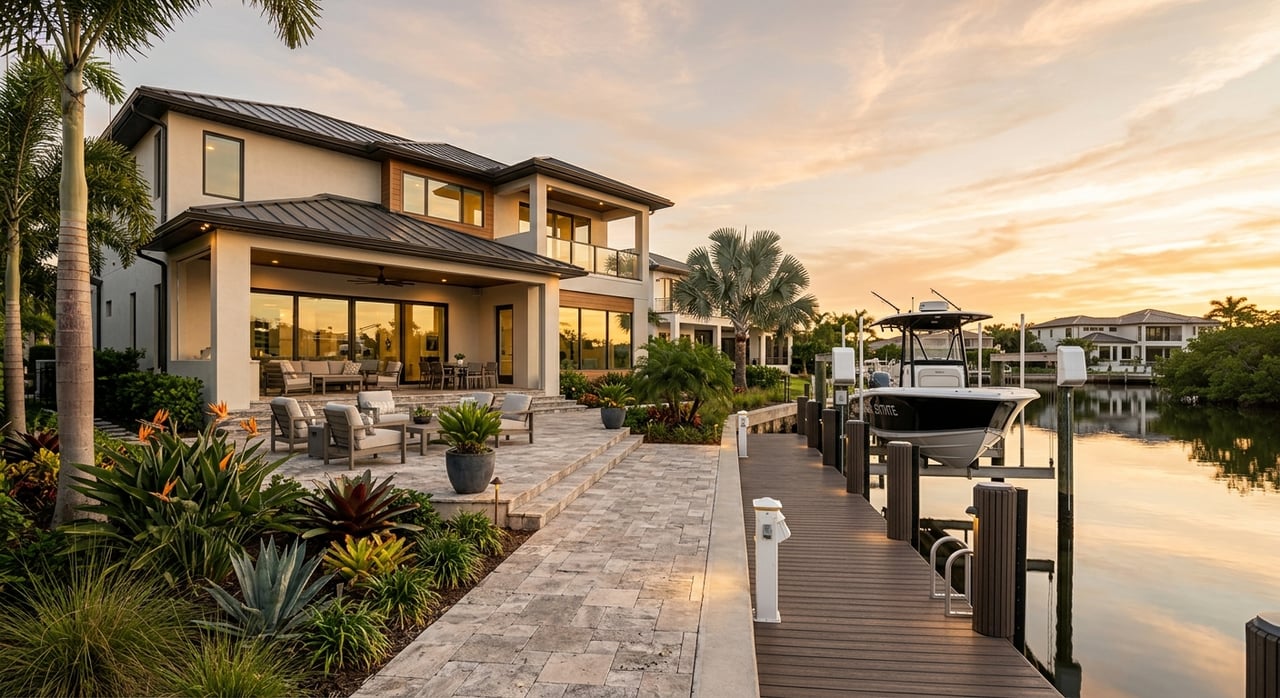
Port Charlotte has a strong waterfront identity that supports the seasonal-rental model. Local and tourism sources describe the area as having about 165 miles of man-made waterways, along with access to Charlotte Harbor and nearby recreation like boat ramps, fishing piers, kayak launches, and Port Charlotte Beach Park.
That setting matters because it gives your property a clear use case. A canal home is not just a place to stay. For many seasonal visitors, it is part of the lifestyle they are looking for during the winter months.
The climate also helps support demand. Mild winter temperatures make boating, fishing, golf, and other outdoor activities realistic for much of the season, which is one reason the area appeals to winter visitors and part-time residents.
Charlotte County planning documents define seasonal residents as people living in privately owned housing units for less than 180 days per year. That makes Port Charlotte a natural match for owners who want a personal retreat that can also serve as a seasonal rental.
Who May Rent a Canal Home
While there is no local short-term rental dataset in the research report that breaks down exact renter types, the likely guest profile is fairly clear from the area’s demographics and visitor appeal. Charlotte County’s median age was 59.9 in 2024, which suggests a strong retiree and snowbird presence.
In practical terms, a Port Charlotte canal home may appeal to:
- Retirees and snowbirds looking for a winter base
- Boating and fishing visitors who want waterfront access
- Adult families visiting local relatives
- Longer-stay guests in transition or temporary relocation
- Travelers who prefer a home-like stay over a hotel setup
This is useful when you evaluate homes. A property that works well for longer, comfortable stays may be better positioned than one designed only for quick weekend turnover.
What to Check Before You Buy
Before you market a Port Charlotte canal home as a seasonal rental, it is important to confirm that the specific property works for that use. Florida’s framework is generally permissive, but that does not mean every home is plug-and-play.
The first step is to check the property at the local level. You will want to review zoning, any homeowners association rules, and nuisance-related standards before assuming the home can be rented the way you intend.
Charlotte County’s business tax guidance also says all business locations must be zoning-approved. In some cases, a change of occupancy may also be required if the business use of the location changes.
For buyers who live out of town or overseas, this is where local guidance becomes especially valuable. A good seasonal-rental opportunity is not just about the canal view or dock. It is also about whether the ownership plan is workable from day one.
Licensing and Registration Basics
If you plan to offer a qualifying vacation rental in Port Charlotte, there are several layers of compliance to line up. Charlotte County says owners need:
- A tourist tax account registration with the county
- A Florida Department of Revenue sales tax registration
- A DBPR vacation rental license
- A Charlotte County business tax receipt
Charlotte County also states that rental property available for less than six months must pay the local business tax. That is a key threshold for owners comparing shorter seasonal stays with longer lease terms.
Florida’s definition of a vacation rental includes individually owned single-family, two-family, three-family, or four-family homes or dwelling units that operate as transient public lodging establishments. The state does not restrict rental terms, frequency, or location through DBPR, but local compliance still matters.
Taxes You Need to Plan For
Taxes are one of the biggest areas where seasonal-rental owners need a clear system. In Charlotte County, the tourist development tax is 5% on accommodations rented for six months or less.
The county also says state sales tax due to the Florida Department of Revenue is 7%. For taxable stays, you need to account for both when you build your rental strategy and bookkeeping process.
Charlotte County requires tourist taxes to be remitted monthly by the 20th of the following month. The county also says records must be kept for three years, so organized documentation is part of the job.
There is also an important dividing line for longer stays. A bona fide written lease longer than six months is exempt from sales tax and tourist development tax on the lease payments, according to Charlotte County.
Seasonal Stays vs. Longer Leases
Not every owner wants the same rental calendar. Some want maximum flexibility for personal use, while others want fewer turnovers and a steadier winter tenant.
A helpful way to think about this is calendar segmentation. Block your own personal-use weeks first, then decide whether the remaining availability works better as shorter bookings or longer seasonal stays.
Here is a simple comparison:
| Rental approach | Typical benefit | Key tax note |
|---|---|---|
| Shorter seasonal stays | More flexibility and more open personal-use dates | Stays of six months or less are generally taxable |
| Longer written lease | Fewer turnovers and simpler occupancy pattern | Lease payments over six months are exempt from sales and tourist taxes |
This does not mean one path is always better. It means your ideal home and rental plan should match how often you want to use the property yourself.
Setup Tips for a Dual-Use Home
A canal home that serves as both a private retreat and a rental needs a practical setup. Guests need comfort and clarity, and you need systems that make the property easier to manage from near or far.
Major rental platforms emphasize accurate listings, amenity details, sleeping arrangements, fees, house rules, and booking controls. For owners, that means your home should be furnished and described in a way that creates clear expectations.
For a Port Charlotte canal home, a strong setup often includes:
- Durable indoor and outdoor furniture
- Easy-clean finishes and surfaces
- Duplicate linens and towels
- A well-equipped kitchen
- Strong internet service
- In-home laundry
- Clear parking information
- Secure owner storage
- Written instructions for dock, pool, and storm-season use
These details are not flashy, but they matter. The easier your home is to maintain and the clearer your guest experience is, the smoother seasonal rental ownership tends to feel.
Pool and Waterfront Safety Matter
If the property has a pool, Florida law adds an important safety requirement. Under the Residential Swimming Pool Safety Act, the home must have at least one approved safety feature, such as a barrier, safety cover, exit alarm, self-closing and self-latching doors, or a pool alarm.
For canal-front homes, waterfront conditions also deserve attention. Docks, seawalls, water access points, and outdoor walking surfaces should be evaluated carefully during your due diligence and ongoing ownership planning.
Even when a home is beautiful and guest-ready, safe use needs to be part of the operating plan. Clear house instructions can help set expectations for pool, dock, and storm-related use.
Flood Risk Is Part of the Equation
Flood review is especially important when you are considering a canal-front property in Charlotte County. The county describes itself as low-lying, with river, canal, and shoreline flood exposure.
Charlotte County also notes that FEMA map updates became effective on Dec. 15, 2022. If you are evaluating a specific property, current flood-zone information and elevation context can affect ownership costs and planning.
The county further explains that flood insurance is separate from standard homeowner’s insurance. For buyers, that means insurance review should be part of the decision early, not something left until the last minute.
Charlotte County also uses NAVD88 for elevation work. If you are ordering surveys or evaluating improvements, that current datum matters for the professionals working on the property.
Managing From Afar
Many seasonal-rental owners are not local full-time, and that can shape the type of home and support system that makes sense. If you will be absent for much of the year, think beyond booking income and focus on how the home will actually function.
You may need help with listing setup, pricing, availability, reservations, guest communication, cleaning, onsite support, or permit and licensing coordination. Major platform tools and co-hosting models show that these tasks can be delegated, which is helpful for owners who want a part-personal, part-rental property.
This is where hands-on local support can make a real difference. A well-chosen home is only part of the equation. The ownership experience after closing matters just as much.
How to Choose the Right Canal Home
Not every waterfront home will perform the same way as a seasonal rental. When you compare options, it helps to think about both guest appeal and owner practicality.
Look closely at the features that support seasonal use, such as water access, outdoor living space, parking, laundry, internet readiness, storage, and overall ease of maintenance. A beautiful home that is difficult to manage from afar may create more stress than value.
It also helps to think in terms of fit rather than hype. The best property for you may be the one that balances lifestyle, compliance, flood awareness, and manageable operations in a way that supports your goals.
If you are considering using a Port Charlotte canal home as a seasonal rental, the right guidance can help you weigh the property itself, the ownership costs, and the day-to-day realities with more confidence. To explore canal-front opportunities and ownership strategies in Southwest Florida, connect with Sabina Kirchherr.
FAQs
What makes Port Charlotte canal homes appealing for seasonal rentals?
- Port Charlotte offers about 165 miles of man-made waterways, access to Charlotte Harbor, and a mild winter climate that supports boating, fishing, golf, and other outdoor activities.
What taxes apply to Port Charlotte seasonal rental homes?
- Charlotte County says rentals of six months or less are subject to a 5% tourist development tax, and the county states that Florida sales tax due to the Department of Revenue is 7%.
What licenses are needed for a Port Charlotte vacation rental?
- Charlotte County says owners may need a county tourist tax account, Florida Department of Revenue sales tax registration, DBPR vacation rental license, and Charlotte County business tax receipt.
Are longer Port Charlotte leases taxed differently than seasonal stays?
- Yes. Charlotte County says a bona fide written lease longer than six months is exempt from sales tax and tourist development tax on the lease payments.
What should buyers check before using a Port Charlotte canal home as a rental?
- You should review zoning, any HOA rules, business tax requirements, flood exposure, insurance needs, and property-specific features like pool safety and waterfront access.
What features help a Port Charlotte canal home work as a dual-use property?
- Practical features include durable furnishings, laundry, strong internet, a well-equipped kitchen, secure owner storage, and clear instructions for dock, pool, and storm-season use.